

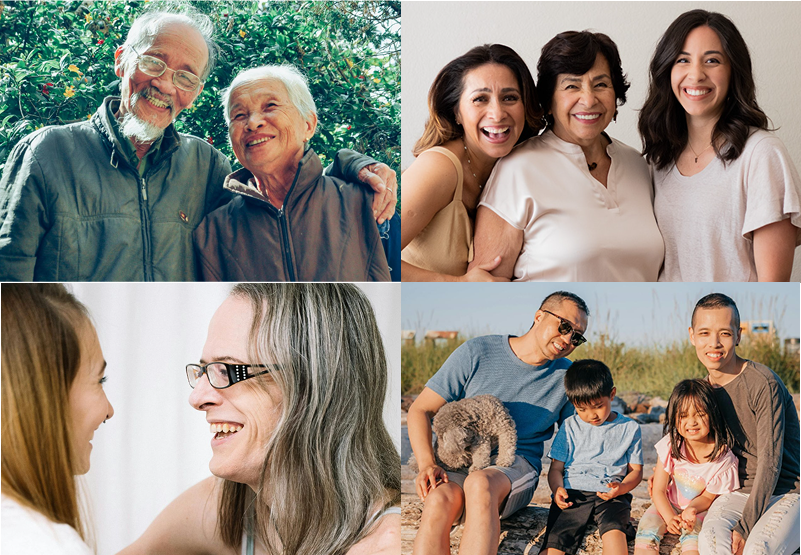
Images on your site send powerful signals about your values. They can either reinforce tired stereotypes—or show a more inclusive, hopeful world. That’s why it’s worth putting real thought into the equity and diversity of your website images.
Choosing the images can be time consuming. Let’s be honest: images are hard! But start with what’s real. Use photos of your own community whenever you can (with permission, of course). Authentic images carry trust. If your photos don’t yet reflect the diversity you’d like to highlight, fill the gap with stock images. There’s more free and low-cost options than ever before.
As you choose or review your website photos, run through a quick gut-check:
- Are people shown with dignity? Avoid images that dwell on suffering or poverty. Show people with strengths, relationships, and lives beyond the challenges they face.
- Do you have consent? The obvious: never post pictures publicly without permission.
- Do your images reflect varied identities? Feature people from different income levels, cultural backgrounds, gender identities, and family structures.
- Are you avoiding stereotypes? Challenge defaults. Show Black lawyers serving white clients, male preschool teachers, or Latina engineers.
- Can blob-people illustrations help? In some contexts, race-neutral, or even completely gender-neutral illustrations can communicate ideas without leaning on stereotypes. Custom “blob people” illustrations are quick and surprisingly affordable to produce.
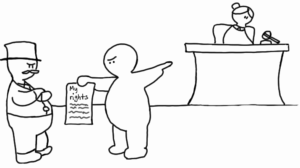
Blob knows their rights—and isn’t afraid to bring them to court! A study by the Financial Distress Research Project found these illustrations helped people grasp financial and legal concepts more clearly.
- Are you using AI in an ethical way? AI images can feel like an easy win, but AI-generated illustrations are built without consent from past human illustrators. And it’s really hard to create non-sterotypical and realistic looking photos of diverse people (because the tools don’t have many non-sterotypical photos to work with). So consider: does using AI for images of people really align with your organizational values?
- Have you included alt-text? Don’t forget accessibility! Every image should include alt-text that describes the photo clearly. Inclusive images paired with thoughtful alt-text make your site more usable for visitors with screen readers—and show that inclusion matters at every level.
Remember: no single image has to carry the full weight of representation. What matters is the overall impression your nonprofit website leaves with visitors.
An inclusive visual strategy won’t just make your nonprofit website more welcoming—it will help visitors see your mission as relevant to them, their families, and their communities.
Dive Deeper
Photography for nonprofits: ethics, sourcing, and impact | Trajectory Web Design
Very useful guidance on dignity, consent, and avoiding exploitative imagery, with bonus tips on hiring a photographer and other considerations. This article probably sourced a fair amount of its info from the OG report from Bond which is a good even deeper “deeper dive” if you want the fuller research behind many of today’s best-practice guides.
Artificial representation: pitfalls at the intersection of AI and DEI | Big Duck
An opinionated look at why nonprofits should steer clear of AI-generated people images. Strong equity and trust arguments plus concrete alternatives (illustration, icons, real community photos) from a well known nonprofit branding firm.
Do “blob people” make complex info easier? | The Financial Distress Research Project
For those who are up to reading a research paper, this one provides a fairly readable overview of how genderless and raceless “blob people” illustrations improved the readability of financial literacy information.